
Holiday With History: The Dolphin
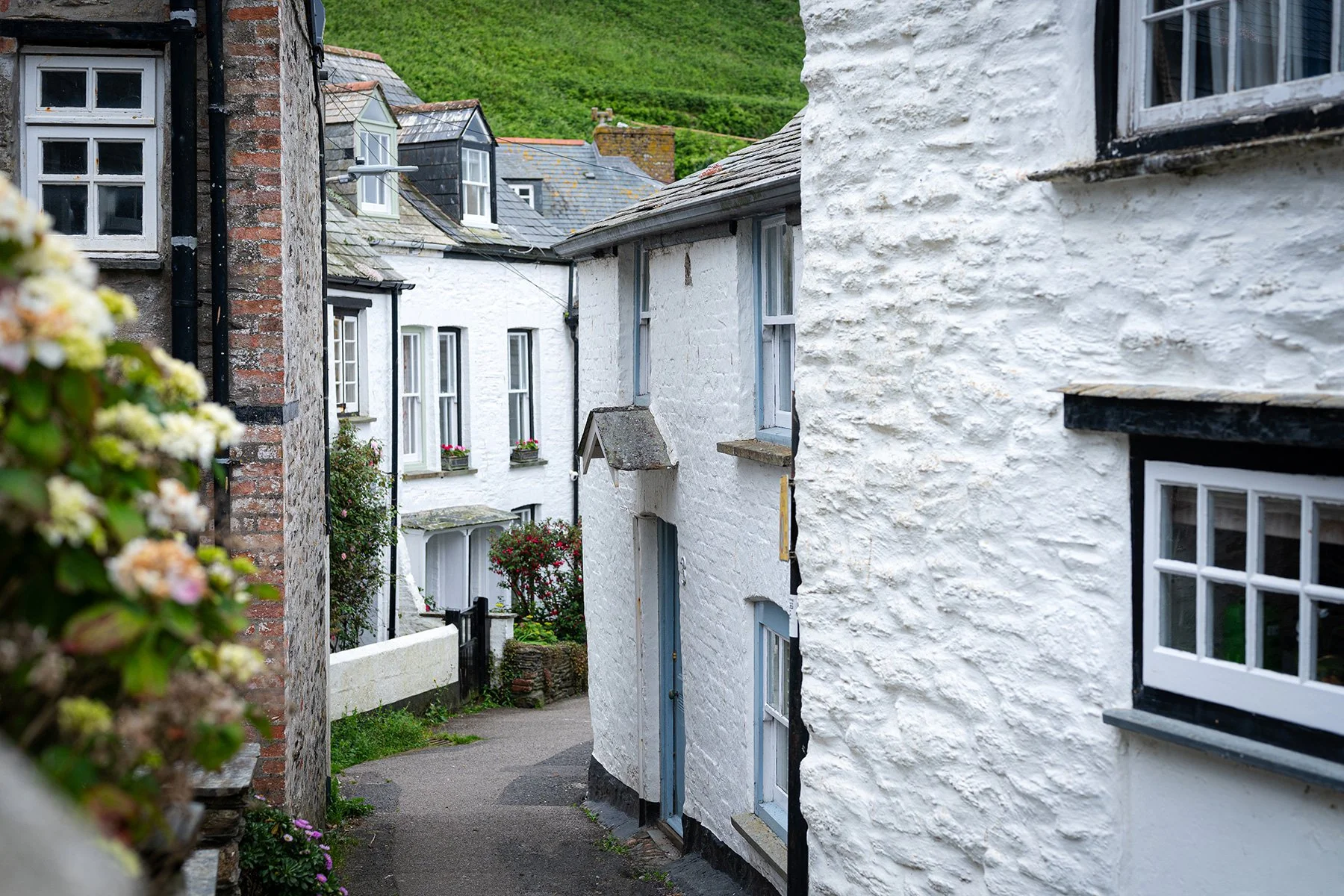
The Dolphin is the property that reputedly gave Dolphin Street its name, although the truth of which was named first is lost to the depths of history as both the building and the street predate the Trevan Book documenting early Port Isaac. Sitting towards the bottom of Dolphin Street, where it narrows opposite The Bark House and Trevan House, the earliest original part of The Dolphin dates back 300 years to the early 1700s, and the property is a Grade II listed building.
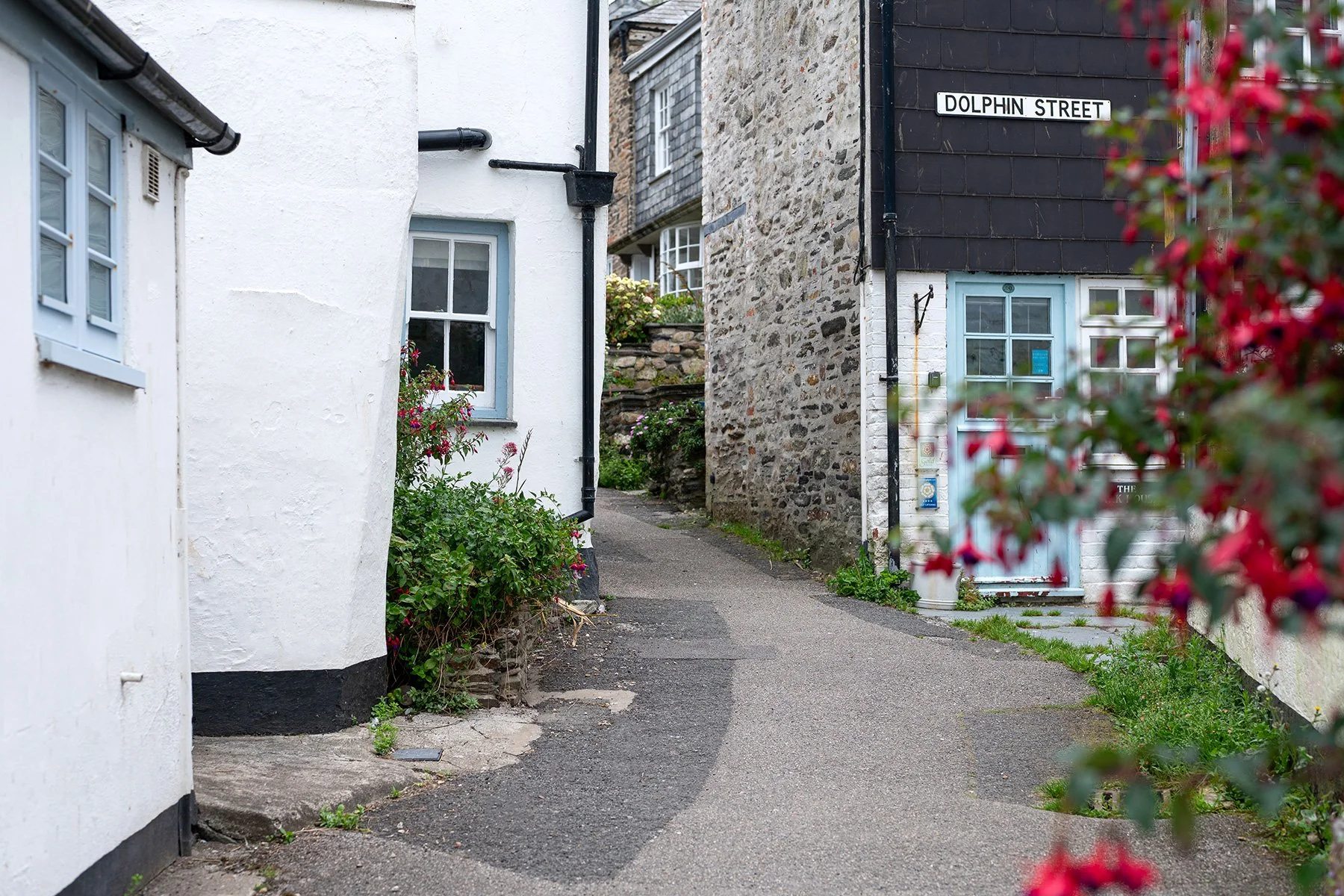
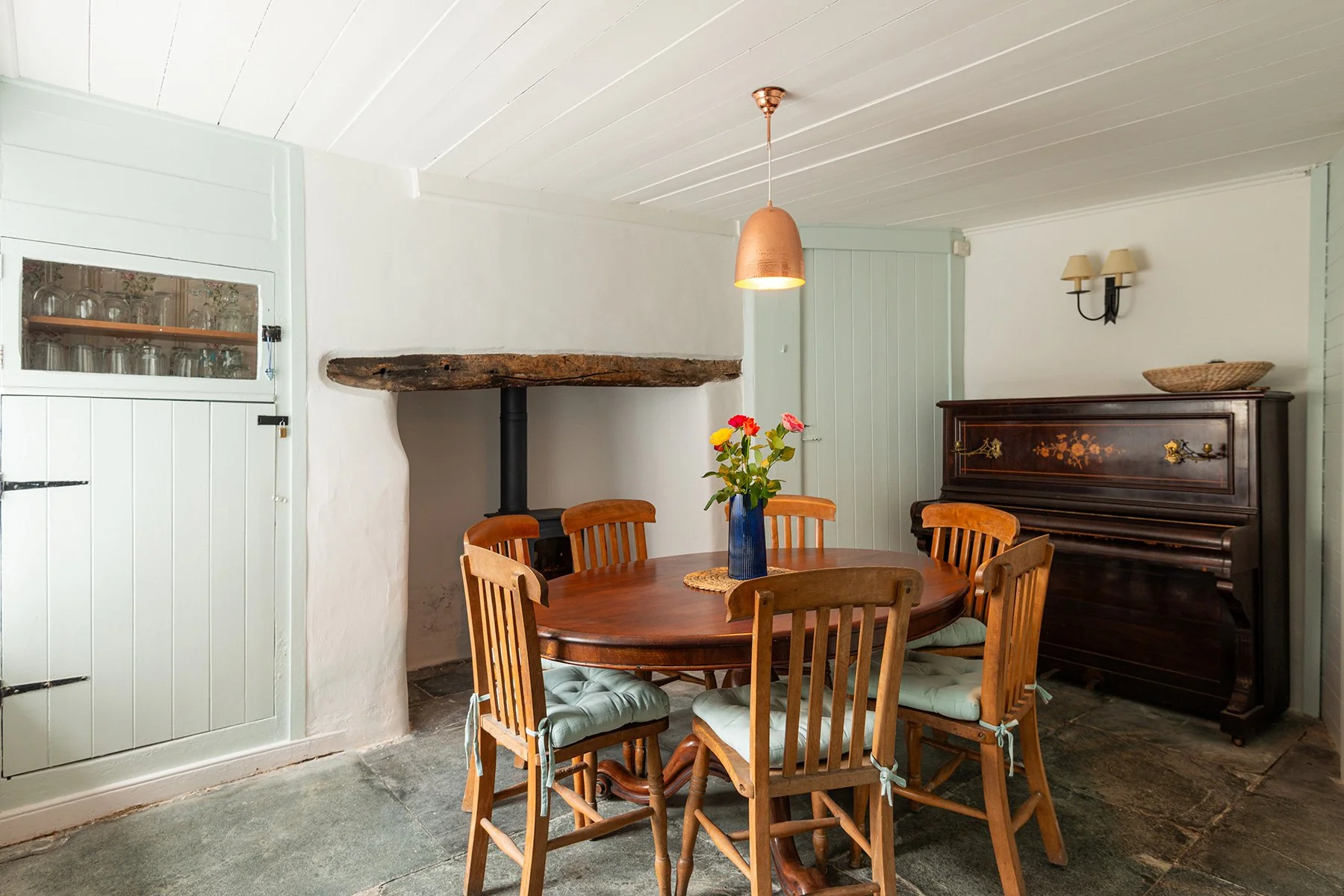
Originally thought to have been built as a private house, by the 1770s The Dolphin had become a public house called The Dolphin Inn, run by a Mrs Elizabeth Stribley. The bar was in what is now the dining room in the oldest part of the building that aligned with neighbouring Temple Bar, although both buildings have had extensions now, and there was a sign for the Inn on the corner of the wall visible from the junction with Middle Street. The village fishermen would use the upstairs room of the pub to do business, before retiring downstairs to the bar, unless they were members of the methodist congregation.
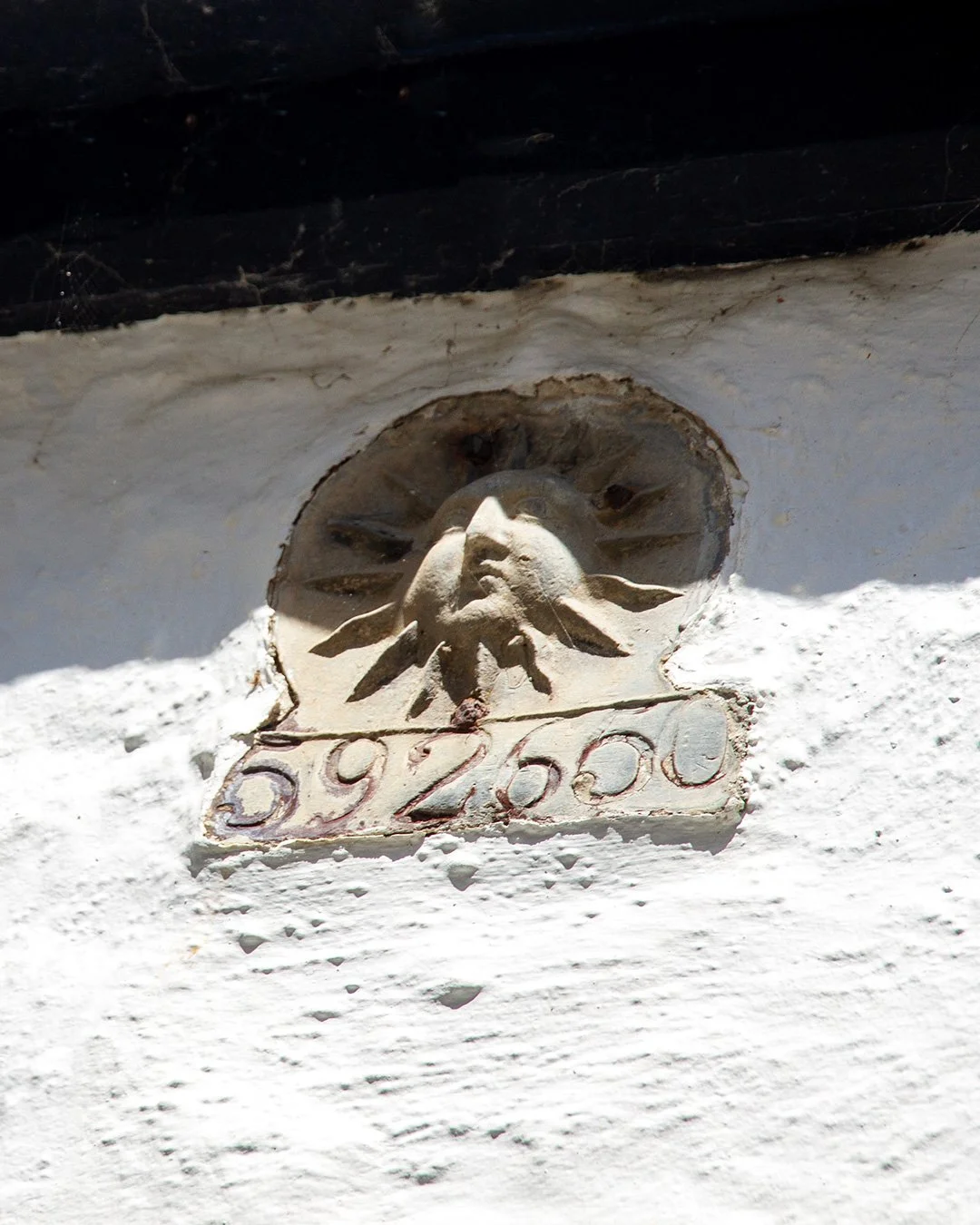
If you stand outside The Dolphin and look up above the front door, between the two upstairs windows under the eaves you will see a small decorative 3D plaque depicting a sun with a face above the number “592650”. This is the plaque of The Sun Fire Office, one of the world’s earliest fire insurance companies established in 1710, with the first having been established in 1680 in the aftermath of The Great Fire of London. These plaques, usually made of brass or lead, were installed high on buildings and served to identify insured properties quickly and easily in an emergency or the aftermath of a fire. In large cities such as London, those early fire insurance companies actually employed their own fire brigades to protect their customers' properties and reduce their losses. Being a public house and commercial property, The Dolphin Inn (as it was then) was insured and the plaque and insurance number is still visible today if you look up.
The Dolphin Inn operated until the First World War; the current dining room was once the main public bar, the ground floor bedroom served as the games room, and the kitchen was used to store barrels of ale.
After the war, it transitioned into a private home where Captain Samuel Phillips and Mary Anna “Gran” Keat lived, with their son Samuel. Samuel Keat junior joined his father sailing schooners in the coasting trade before becoming an apprentice carpenter to Port Isaac’s shipwright, boatbuilder and funeral director Harry Hills at Fern Studio at the bottom of Roscarrock Hill. He then joined the Merchant Navy and enlisted with The Royal Navy at the outbreak of World War II. He served on HMS Wilna and was killed during a skirmish off Southampton on August 8th 1940.
In 1971 The Dolphin became a holiday residence, and we are proud to offer such a fascinating slice of Port Isaac’s rich history for you to holiday in.