
Withy Lore at The National Lobster Hatchery
Celebrating Cornwall’s Heritage of Functional Craft and Lobster Fishing
Before the introduction of mass-produced plastic and metal lobster pots and fishing gear in the second half of the 20th century, Cornish coastal communities like here in Port Isaac spent the winter months, when storms often kept their fishing boats in harbour, making and mending their lobster pots and fishing nets.
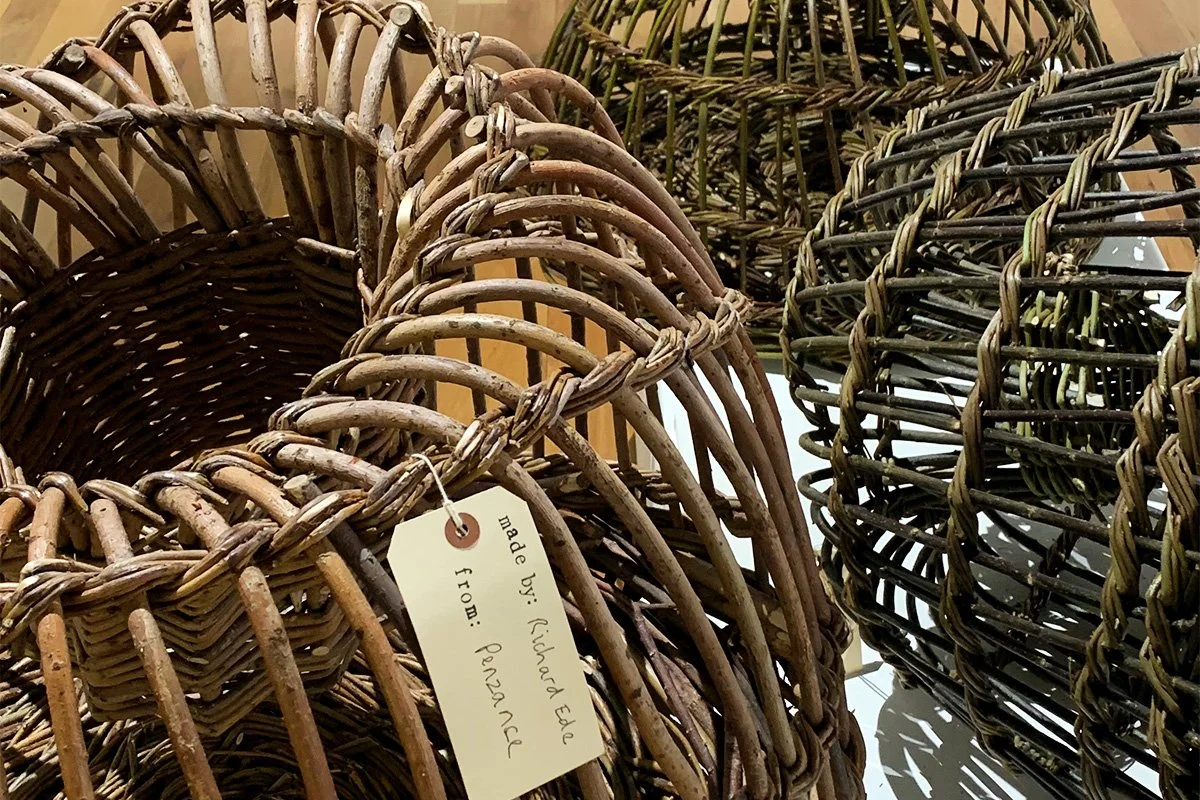
Examples of traditional withy lobster pots
Withy pots are lobster and crab catching traps woven from willow “withies”. The pots, like large closed baskets with a funnel through which the lobsters enter, were made by the fishermen each winter with the knowledge and skills passed down within communities. As a result over time each port or area ended up with its own withy pot style, pattern and technique.
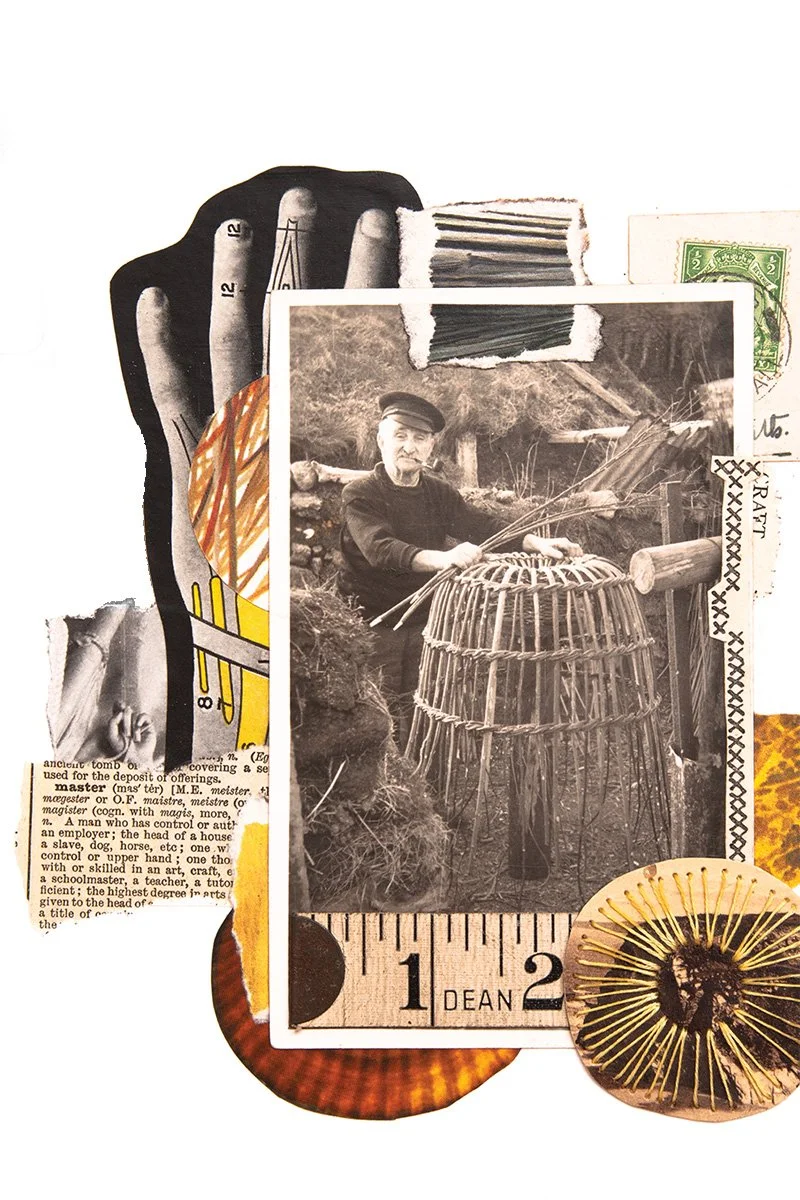
The pots typically lasted a single season, with the season’s stock either wearing out or being broken up or lost in stormy weather. An old hand-drawn map of the coastline of Port Isaac Bay from the 1960s has all of the coastal features named, with one called “Pot Eater Gug” on the east side of Kellan Head near Port Quin - ‘Gug’ is old Cornish dialect for a cave, especially in North Cornwall, so presumably Port Isaac’s fisherment lost a fair few of their lobster pots into this cave! Thankfully, before the advent of plastic and metal pots, withy pots would have broken down and had no negative impact upon the marine environment.
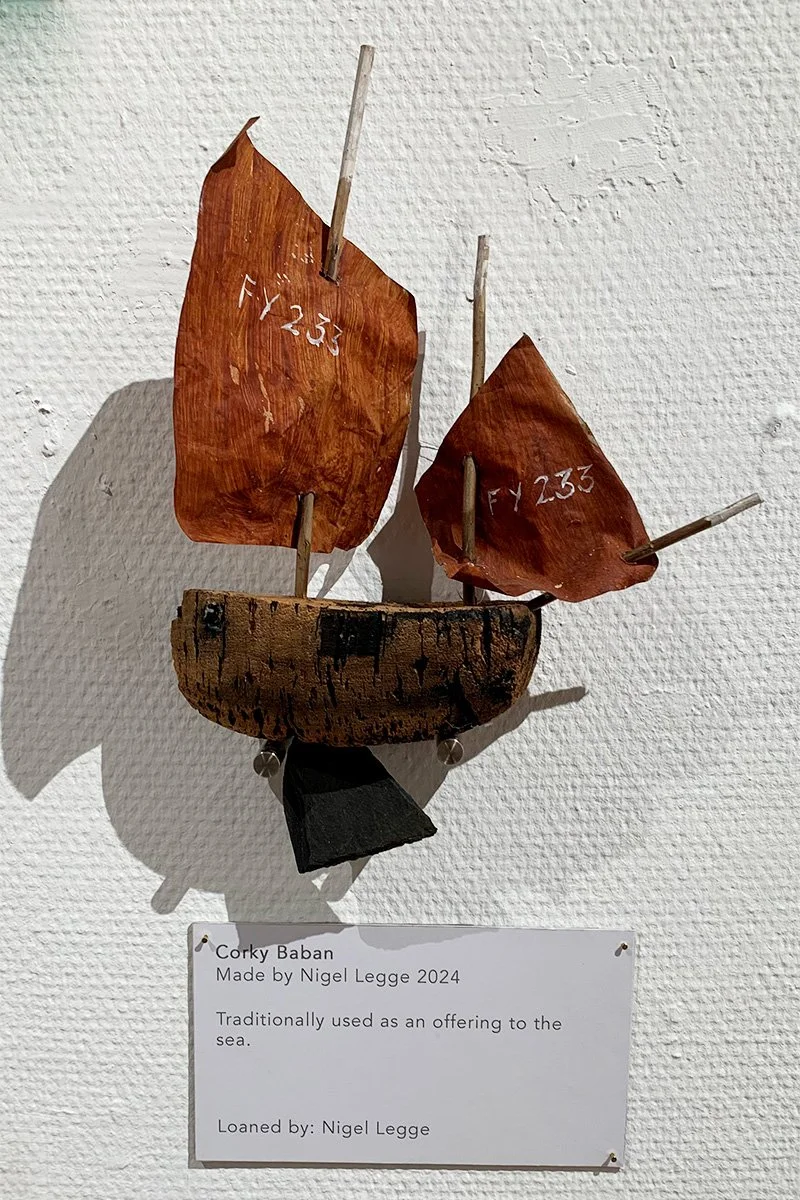
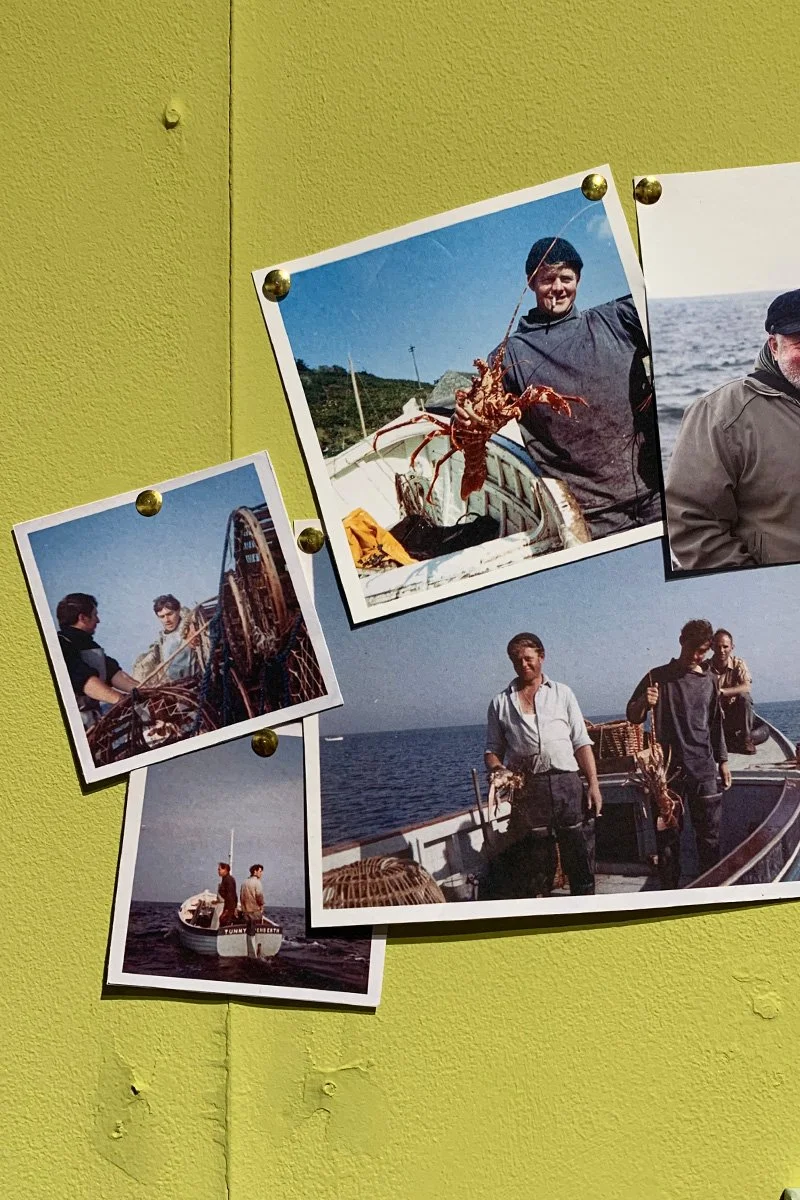
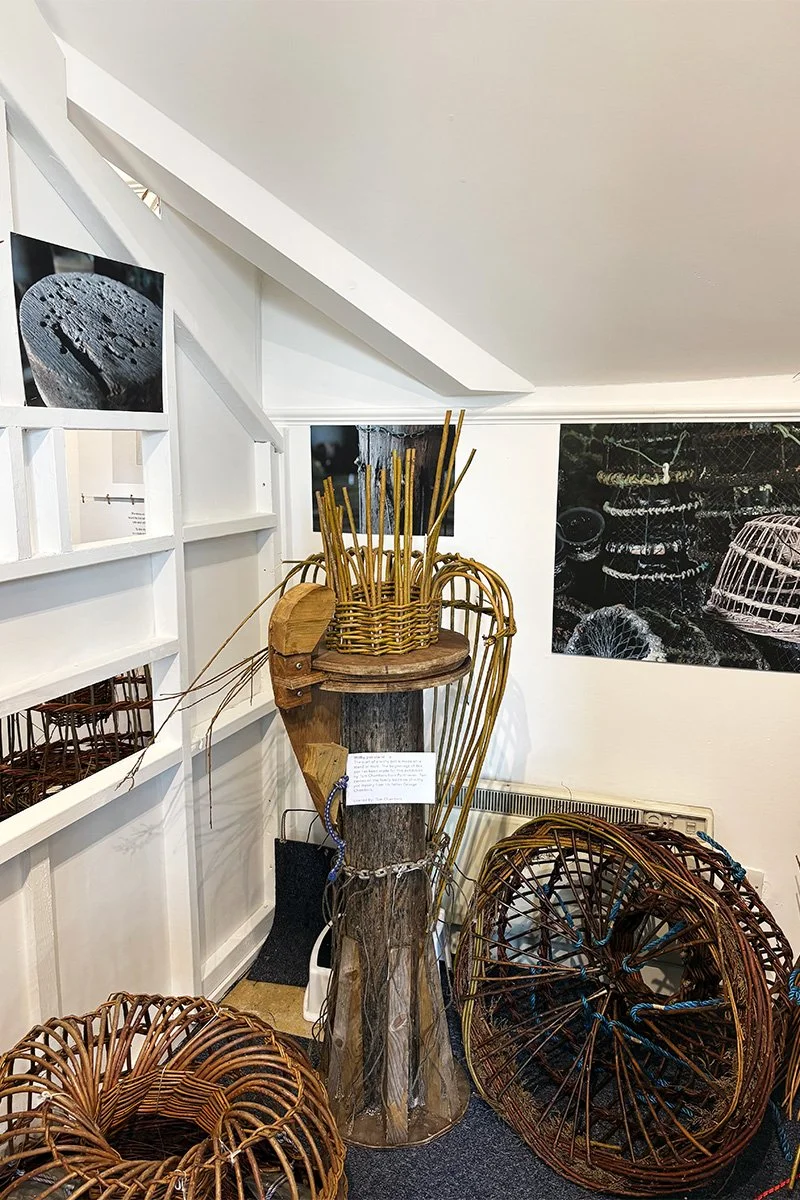
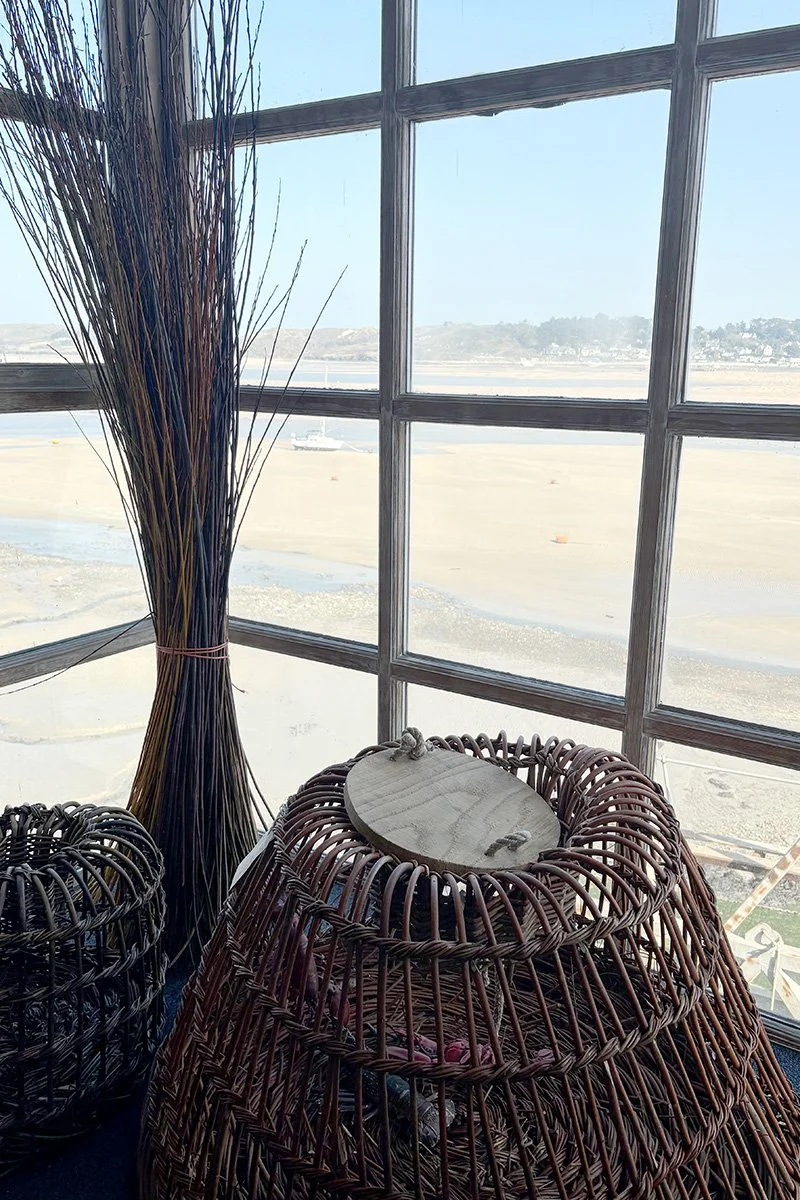
This spring Withy Lore is being exhibited in the upstairs gallery at the Padstow Lobster Hatchery, running until April 19th (the end of the school Easter holidays). The exhibition, which has been created by Storylines and multi-media artist Anna Pope, explores the critically endangered craft of withy pot making, celebrating its heritage and community of makers through story, art and film.
The National Lobster Hatchery on South Quay in Padstow is a marine conservation, research and education charity with a wonderful visitor centre where you can learn about our local marine environment and the work that they do to protect and conserve the local lobster population and the fishing industry that relies on it. You can drive there from Port Isaac, but we think that the best way to arrive in Padstow is by heading to Rock and catching the passenger ferry across the estuary.
If you’re looking for a fun and fascinating day out during your stay in Port Isaac this spring, we’d recommend taking the ferry over to Padstow for a spot of lunch and a visit to the Withy Lore exhibition at the National Lobster Hatchery.